Augusta of Bétou: the biography of a French hamlet
The history of Brian Waltham and Caroline Cooper’s house in Tarn-et-Garonne here.
In 1973 Brian Waltham and Caroline Cooper bought a run-down collection of houses and farm buildings in south-west France that had been a former hamlet. Caroline, now Brian’s widow, has published a history of the hamlet going back to the early seventeenth century.
‘Using the words of the people of Bétou, a hamlet in south-western France, off the beaten track for tourists, Caroline Cooper has woven a rich tapestry of the life of peasants … a modest but excellent contribution to the rich tradition of social history exemplified by Emmanuel Ladurie’s best-selling account of the medieval village of Montaillou.’ Juliet Gardiner, social historian and former editor of History Today
Edward Corp, Emeritus Professor of British History at the Université de Toulouse, wrote about this project: ‘A perfect example of how to write the history of a small French hamlet… The book offers both us today and future generations an invaluable record of a way of life that has disappeared. It is absolutely fascinating and cannot be too strongly recommended.’
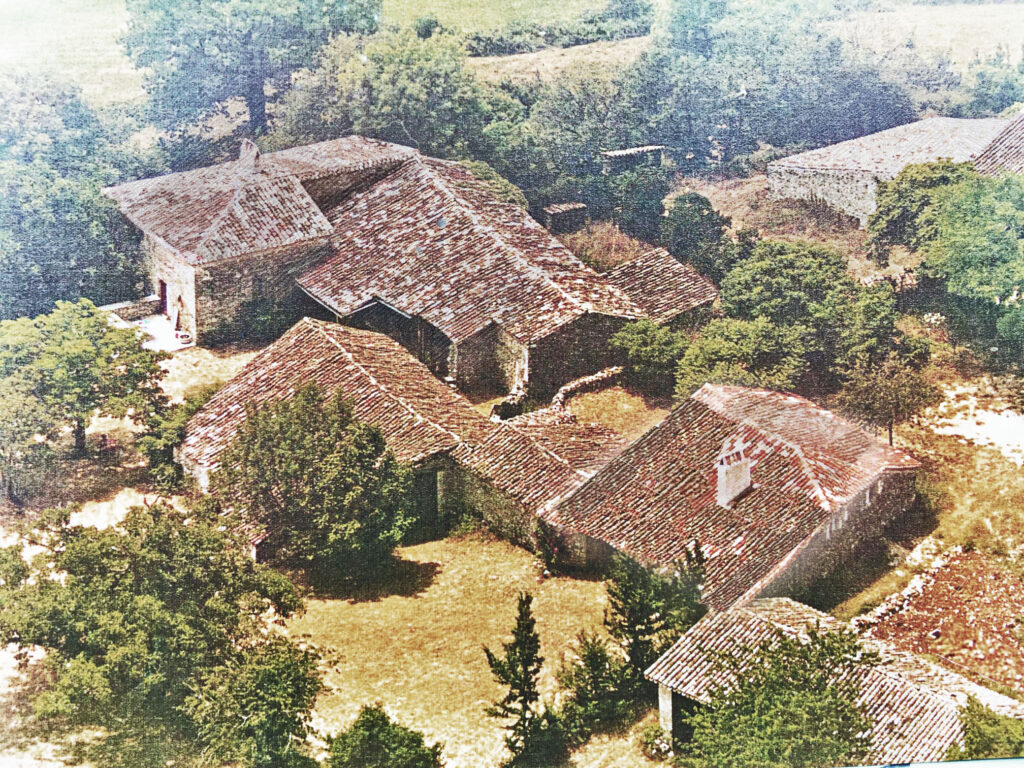
From Caroline’s Introduction: ‘…the buildings had languished uninhabited for thirteen years, the roofs crumbling down as quickly as the ivy grew up. Preoccupied with renovating this pile of near-ruins, and because we had bought from a businessman, we never thought to enquire about the farming family who had sold up and left in 1960.
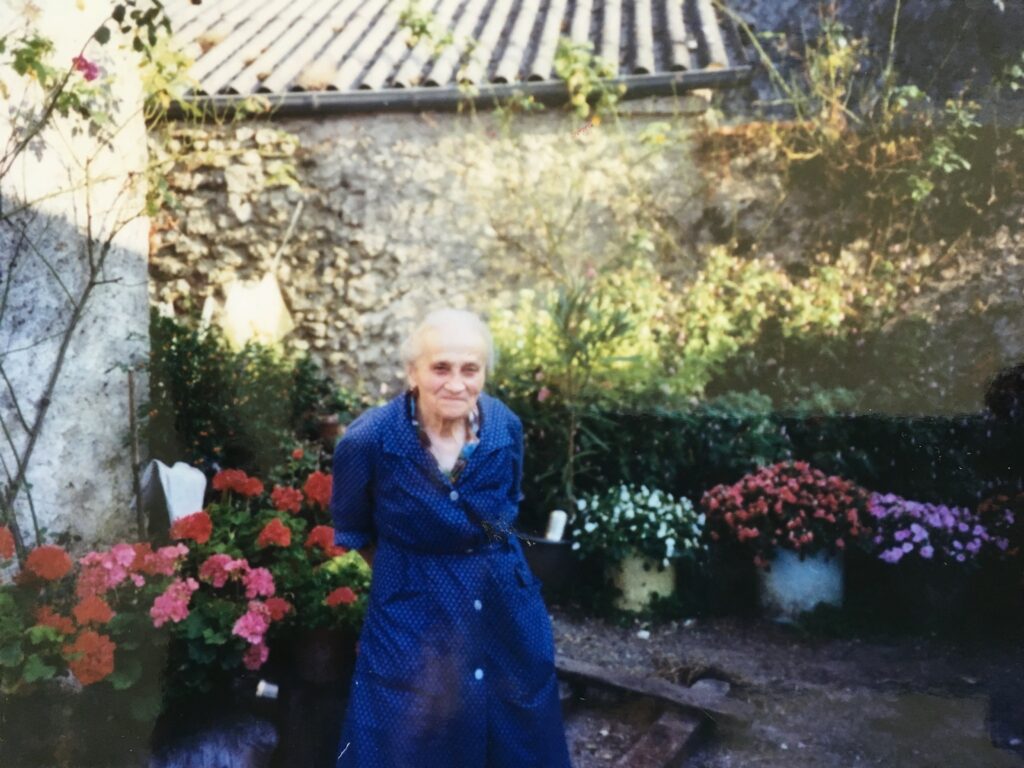
‘In 1988 a neighbour mentioned casually that an elderly woman, Augusta Pénenq, who had been born in the hamlet, was still alive. There she was, seventy-three, still in the village house which she had married into as a seventeen-year-old bride in 1932. We hurried to meet her and invite her to Bétou, curious to learn how the family had lived and how they had used the houses, barns and cow stalls.’
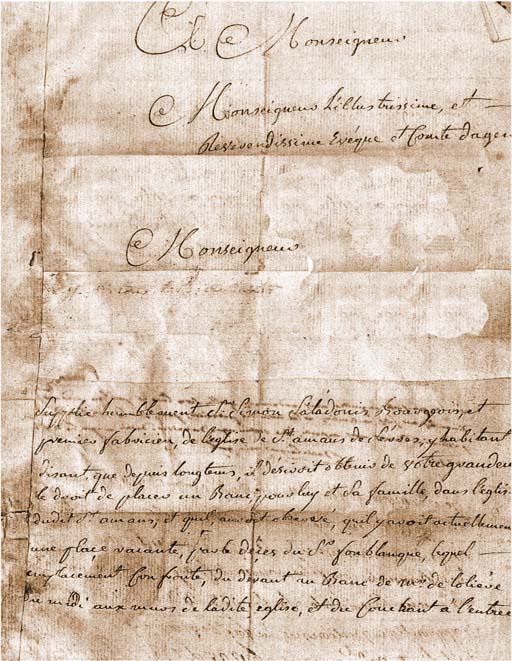
This was the starting point for a long journey of research for Caroline. She made the discovery that the parish records dating from 1633 were just down the road in the local mairie. Some of the records of births, marriages, baptisms and deaths contained records from Bétou and of Augusta Pénenq’s ancestors. Talking to Georges, Augusta’s son, Caroline found that he had kept a number of original documents to do with the family. He and Augusta told her everything they could recall about their family history.
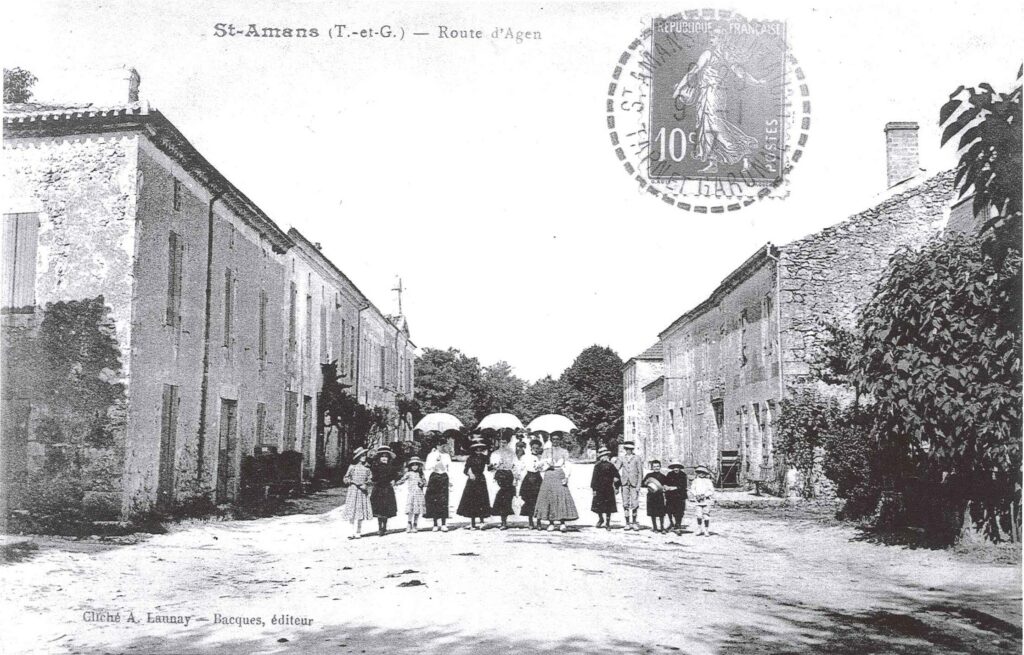

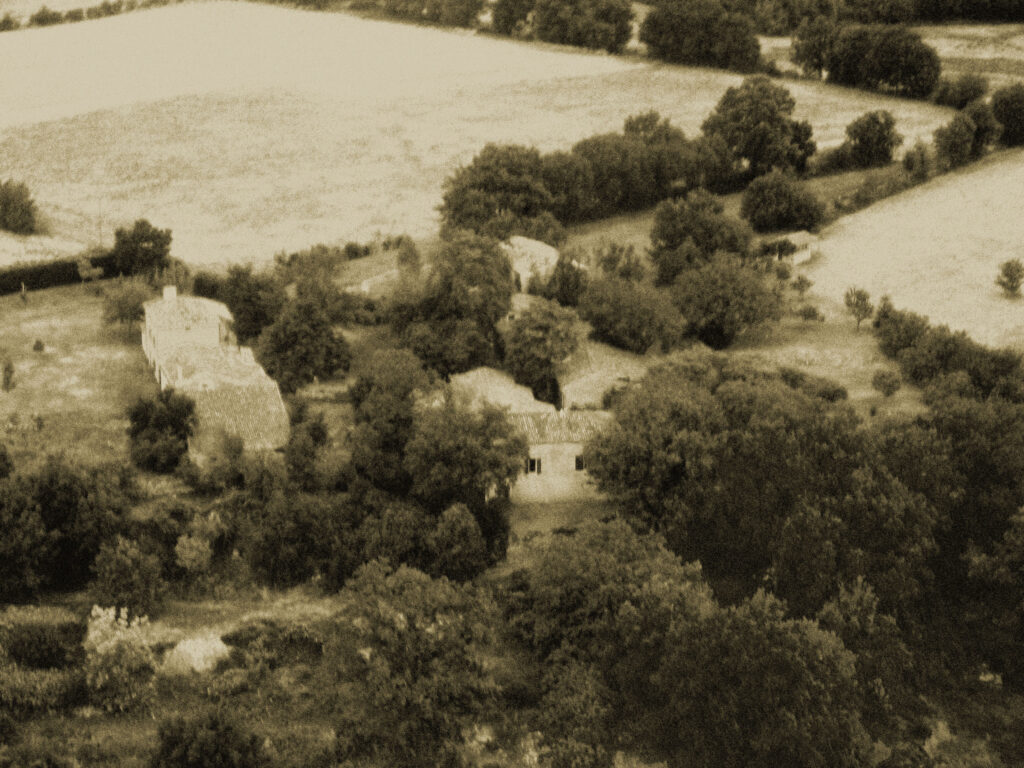
Once she had begun researching the history of Bétou, Caroline widened the story to include much of that of the nearby village of St Amans du Pech. M. Jean Moretti, whose family had lived and held civil offices in the village for several hundred years, shared his cache of papers dating back to the 1600s with her. Caroline also talked to villagers, many of them since deceased, about their memories going back to the inter-war years, the German occupation, and the modernisation which swept through rural France in the post-war period. The result is a fascinating history of a small French hamlet and its local village, from the years before the Revolution to the early 2000s.
It is also the story of the life of Augusta Pénenq, who always called herself proudly une paysanne; she was the last ‘peasant’, and her death ended the final link with Bétou’s centuries-long existence as a working farm.
‘Through the pages of this book we rediscover how people actually lived in rural France, during a period of increasingly important political and social change. The chance survival of an extraordinarily rich collection of documents kept by one of the local families has enabled the author to go far beyond the information in the local archives, and to present an exceptionally interesting account of the hamlet of Bétou and its surrounding area, while the oral testimony of some of the oldest local inhabitants before they died enriches her account of life there during the twentieth century.‘ Edward Corp